Building disability inclusive panel discussions: Supporting interdisciplinary conference spaces
Occupational therapy practitioners (OTPs) support the health, participation, and identity of our clients. We teach and engage in advocacy to empower clients, rectify occupational injustices, and expand accessible and inclusive participation. This is done through client-centered practices: partnership with and respect for clients. But is partnership enough? Is the occupational therapy profession fully aligned with the disability community’s goals and values?
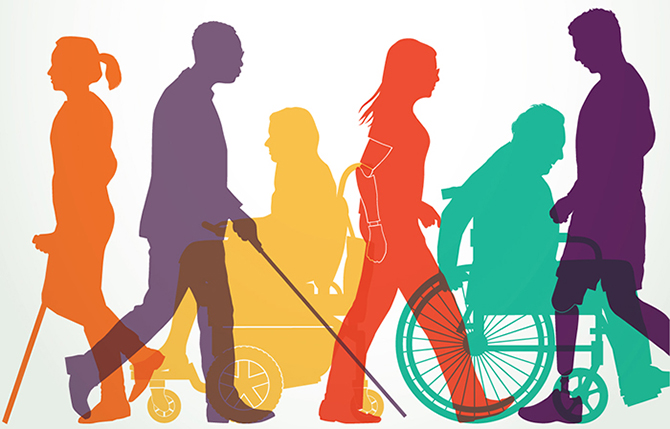
Disability community members, scholars, and advocates are calling for a shift in viewing persons with disabilities as partners, experts, and representative leaders, as reflected in “Nothing About Us Without Us” (Pfiefer, 2022). Beyond calling for respect for the disability community, there’s a call for empowering persons with disabilities to actively participate in creating, implementing, and disseminating disability-related information, practices, and research. In the spirit of disability empowerment, we use both person- and identity-first language throughout this article to reflect the various ways disability community members may prefer to identify.
We, the authors, feel that one step to realizing a more genuine state of disability inclusion is to include persons with disabilities in conference and panel discussion planning and participation. Inclusive conference panels serve as a unique opportunity to:
- allow persons with disabilities to share their first-hand expertise,
- feature persons with disabilities as experts and leaders to build reciprocal relationships, and
- serve as a model of inclusive practice to large interprofessional audiences.
Many OT organizations and institutions are actively taking steps to intentionally design disability inclusive events and spaces. This article describes one example of building a disability-inclusive interdisciplinary panel discussion at an interprofessional conference. We share this experience to highlight how occupational therapy and disability rights frameworks can be applied while collaborating with a faith-based organization and other disability professionals.
AOTA members get more. Join or sign in for access to this resource
Gain essential practice knowledge, grow throughout your career, and stay engaged in your profession. Select the membership option that's right for you.