AOTA member spotlight: Matthew Clinger, OTD, OTR/L, CPHQ
Matthew Clinger, OTD, OTR/L, CPHQ, is the Organizational Quality Coordinator at UI Health. He spoke to Jamar Haggans, MS, OTR/L, CPHQ, FNAP, Director of Quality at AOTA, about his current position and how he became interested in quality.
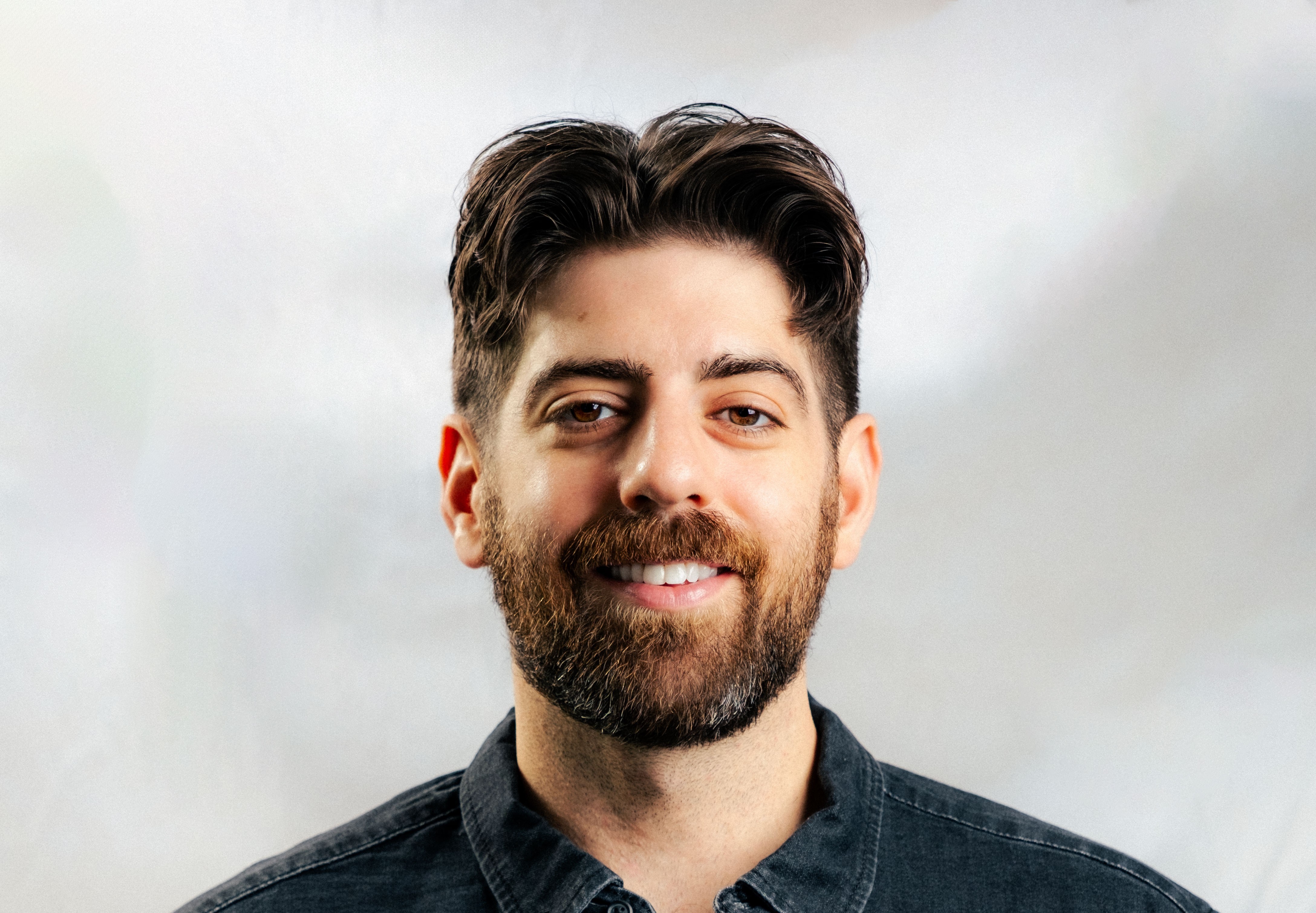
Jamar Haggans: How did you become interested in healthcare quality?
Matthew Clinger: My healthcare quality journey began several years into my occupational therapy (OT) career. I was working primarily in the intensive care unit (ICU) and acute care settings and became interested in organizational quality and safety initiatives.
One of my first exposures was through Safe Patient Handling and Mobility (SPHM), which was new to both me and my organization at the time. Through SPHM, I became interested in learning more about supporting both employee and patient safety. This experience introduced me to disciplines such as quality, patient safety, risk management, accreditation, and clinical compliance.
I soon realized how interconnected these areas are and how they impact healthcare outcomes. My OT background gave me a unique lens to approach these challenges, and SPHM became my entry point into the world of healthcare quality.
Jamar Haggans: What is your current role?
Matthew Clinger: I serve as the Organizational Quality Coordinator at an academic medical center. My role focuses primarily on change management, healthcare quality, and a mixture of process and performance improvement. I also continue to work as an OT in the acute care setting in a PRN capacity, and maintain my appointment as a Clinical Instructor at the OT program affiliated with my academic medical center. Both of these part-time roles continue to inform the holistic lens through which I effect change.
In my primary role as Organizational Quality Coordinator, I help drive sustainable, system-wide change that improves patient safety and outcomes. My role focuses on aligning practice, policy, and theory: incorporating evidence-based practice (EBP) and data-driven quality improvement initiatives to enhance outcomes, efficiency, and safety throughout the organization.
Jamar Haggans: Can you provide examples of how you’ve addressed patient safety across your health system?
Matthew Clinger: Absolutely. Here are two examples:
1. Safe Patient Handling and Mobility Policy
When I supported the SPHM program, gaps between education efforts and injury rates were identified. To address these opportunities our organization’s SPHM policy was expanded to provide structure, accountability, and reduce duplication of future efforts and initiatives. This policy ensured systematic training on an annual and as needed basis, clarified expectations, and helped reduce both patient injuries and patient handling injuries.
2. Pain Management Quality Initiative
In my current role, I lead our organization’s Pain Management Committee. Some of the things we’ve done to improve our system wide pain management program are:
- Auditing pain management orders and order sets
- Developing education to prevent duplicate as needed medications
- Exploring informatic tools within our EHR (Electronic Health Record), like Epic Clinical Decision Support (CDS) tools, to improve service delivery
- Encouraging more non-pharmacological interventions for pain, such as interventions provided by therapy practitioners
- Aligning with Joint Commission standards through process and outcome metrics
This project aims to shift the pain management paradigm toward non-pharmacological interventions before escalating to opioids. Project goals are focused on cross-functional collaboration to promote patient safety, encouraging deference to patient preference and ensuring shared decision-making that is patient-centered and holistic.
Jamar Haggans: How do you recommend occupational therapy practitioners incorporate quality principles into practice?
Matthew Clinger: Focus on two key areas:
- Evidence-Based Practice: Always ask, ‘What does the evidence say?’
- Clinical Reasoning: Trust your clinical judgment, but verify. In my opinion, both EBP and clinical reasoning are essential for supporting joint decision-making with patients and families, promoting individualized patient-centered care, and achieving higher quality outcomes.
Question everything and seek clarity. If something seems off—whether it’s policy compliance or patient needs—speak up. Use your observational skills and activity analysis to identify gaps, practical solutions, and opportunities to promote the best outcomes possible.
Stay proactive by exploring continuing education and resources on quality, process improvement, and change management. Rely on trusted sources like AOTA, AJOT, and regulatory bodies such as the Commission on Accreditation of Rehabilitation Facilities (CARF) and the Joint Commission.
Jamar Haggans: What advice do you have for OTPs interested in healthcare quality and patient safety?
Matthew Clinger: If you’re considering a shift into healthcare quality, start by exploring free resources, attending webinars, and networking. Just like any major career move, do your research before diving in. Embrace opportunities for growth and remain positive throughout the process.
Jamar Haggans: What would you say to other OTPs who might be considering obtaining the Certified Professional in Healthcare Quality (CPHQ)?
Matthew Clinger: Consider your professional and personal goals to best determine if the CPHQ seems like a good fit for you. A CPHQ is the one of the only accredited healthcare quality certifications, underscoring an extensive range of knowledge and skills related to healthcare quality, including performance & process improvement, regulatory & accreditation compliance, and health data analytics. While CPHQ certificants and candidates serve in a variety of roles and levels in diverse healthcare settings, it's recommended that potential candidates have a minimum of two years experience in healthcare quality before applying for certification.
Jamar Haggans: Anything else you’d like to add?
Matthew Clinger: Focus on adaptability—the only thing certain in healthcare, and beyond, is change