The Occupational Profile of an OT Grad Student Living Full-Time in a Travel Camper
Nette Miller, Clarkson University
Client Overview
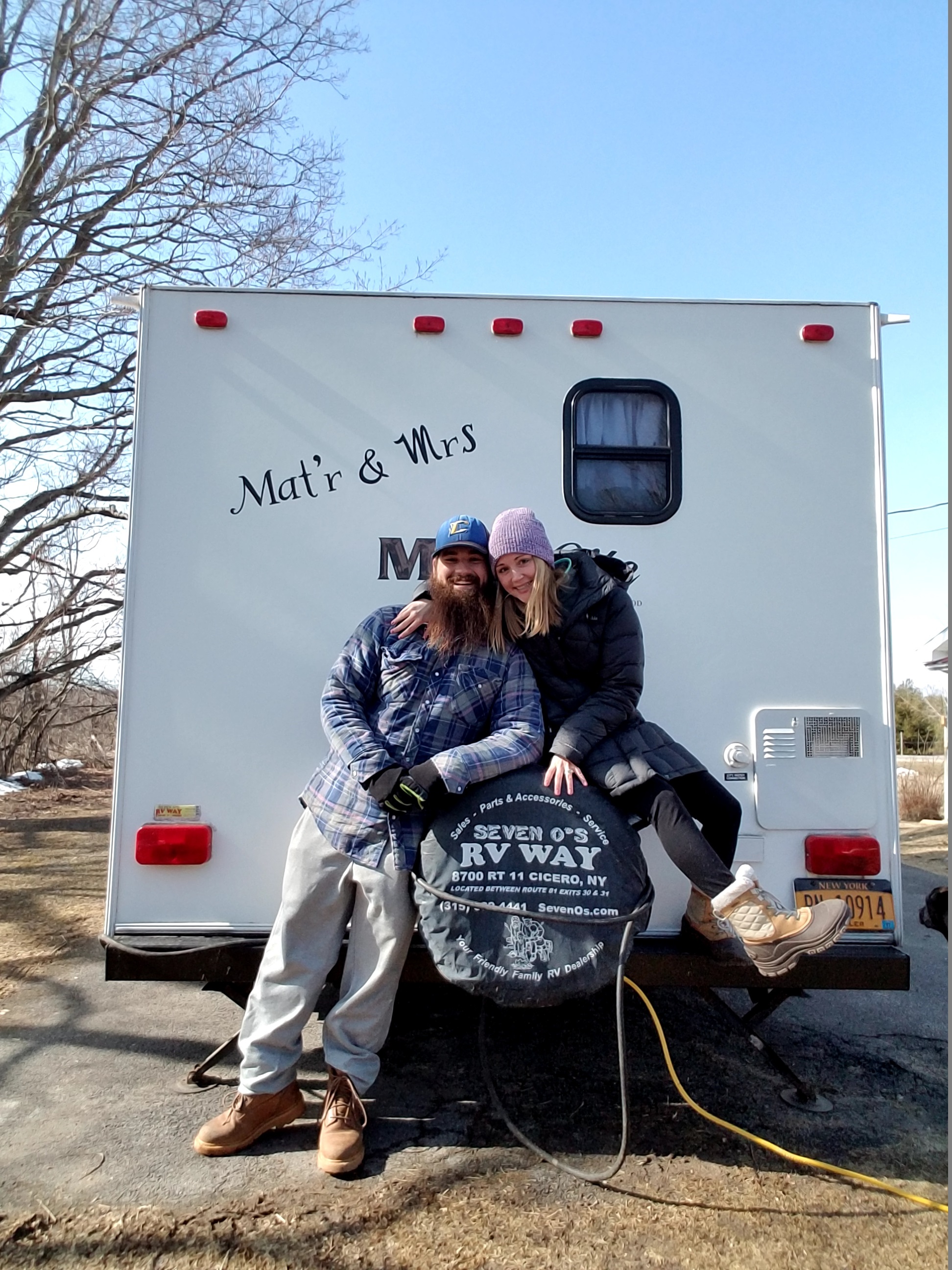
The grand finale of finishing my first year of OT grad school was my wedding! My husband and I were pumped to spend our first year of marriage in upstate New York where opportunities to play outdoors were abundant. When August rolled around, my second year as a MSOT student began and my husband started substitute teaching at a local school. It is common to hear that the first year of marriage is challenging, but we chose to ignore that slice of wisdom and give ourselves an extra challenge. We made the decision to live full time in a travel camper, despite the limited space and rustic conditions.
Client Factors
Nette: female, wife, OT student, dog owner, heath enthusiast, animal lover, loyal Texan, tree climber, seeker of sunshine, homemaker
Kyle: husband, student, dog owner, substitute teacher, craftsman, beard grower, proud Idahoan, snowbird, master of the grill
Chaco: family dog, German shepherd mix, chicken eater, lover of coconut popsicles
Environment
Potsdam, New York; 23-foot travel camper, parked on property belonging to a local church. Three steps to enter home, murphy-style bed, nonfunctional bathroom due to lack of sewage hookups, nonfunctional kitchen sink due to lack of water hookups, functioning refrigerator, heater, a/c, microwave, and gas stove. Potsdam average winter temperatures ranging from 48° to -26°. Nearest functioning restroom facility located in separate building approx. 200 feet from camper. Clients report utilizing the great outdoors for bladder relief. Closest neighbors appear to be those buried in the church graveyard.
ADLs & IADLs
In the fall, camper living was bliss. Our mornings began by waking up to brisk air flowing through open windows and sunshine peering down through the skylight window. The season of changing leaves was also a season of novelty—new marriage, new adventure, and new lifestyle. Winter came fast. We prepared for the low temperatures by draining the water hook up, skirting the camper in with hay, and building a shelter to protect the camper from snow. Winter came hard. We learned to function together like a well-oiled machine. We became efficient at changing clothes and thinking ahead. One of us would get out of bed and dress while the other made the bed or started breakfast. Then we would switch. We had to synchronize our ADLs as much as possible due to the limited space. In the winter, we would place our feet and socks near the portable radiator which gave our toes enough warmth to bear the extremely cold temperatures of our shoes. It was not uncommon to see frost on the inside corners of our camper walls or to wake up and find that our shoes were still frozen to the indoor floor mat.
Our actions and physical movements in the camper directly impacted the other person. One miscalculated step on the soft spot of our plywood floor would cause the spot to further weaken. We began taking bets on who would fall through the floor first, though neither of us ever did. It became a norm for us to have a “family potty party.” Kyle, Chaco, and I would step out of the camper into the dark woods, and each pick a tree or, in my case, a place to squat.
In addition to allowing us to park on their property, the church members also extended a warm welcome for us to use the facilities inside their church. We had access to a full-functioning kitchen and half baths, but we were reliant on our motivation to get to the gym for a decent shower. We chose not to install any Internet service. Life went on without HGTV or the vast capabilities of the Internet at our fingertips.
Education & Work
Living in a camper impacted my role as a student, but for the better. It required me to be purposeful with my time and commit to planning ahead. I made an effort to be at school hours ahead of class in order to use the Internet and work on assignments. In the winter, I started to appreciate the long days of school, because it meant less time sitting in a cold, soggy camper. Kyle took advantage of down time while substituting to complete his own homework. The need to complete assignments at school and work due to no WiFi at home led to free evenings spending time together.
Leisure & Recreation
Living in a camper brought on challenges that would have been avoided by living in a traditional apartment or house; however, it also provided avenues for stress relief. Our desire to hike in the Adirondack National Park as much as possible turned into hiking only a couple of times that year. Fortunately, we found our own way to enjoy the nature around us. The hay that was used to insulate our camper provided a home for several rabbits and field mice, some of which made their way inside our camper… it was a short visit for them. Despite their occasional invasions into our home, we enjoyed having wildlife around. Raccoons, porcupines, skunks, coyotes, deer, goslings, and probably more than we were aware of, found homes in the woods surrounding our camper.
Rest & Sleep
We maintained steady sleep habits, going to bed by 7pm and waking up around 6am. On some nights, the freezing temperatures encouraged us to go to bed right after dinner just so we could be under the warm blankets. We learned to appreciate the quietness of the evening. We enjoyed reading books aloud to each other, and occasionally Kyle would surprise me with a movie he had downloaded to his phone earlier that day. Our indoor thermometer was averaging roughly 34° all winter. It took the power of 2 space heaters (the safest ones we could find) and about 4 layers of fleece and down blankets to keep us warm at night.
Play & Social Participation
Chaco knew when dinner was over—then it was time for ball! Kyle and I loved spending time outside. Regardless of the weather, we made it a priority to get our pup some exercise and embrace the deep snow, high winds, or (fingers crossed) preferred sunshine. Camper life was conducive to evening conversations around a campfire and going for family walks in the nearby woods. We both valued making time to be active and eat healthy, despite being busy students. When Kyle and I were not playing around the yard with Chaco, we were hanging out with classmates. My cohort orchestrated frequent “brain breaks” for us to step away from our studies and have fun together. These included hikes, dinner nights, farmers markets, themed parties, workouts, and forming our own volleyball team during intramurals. Since watching TV, browsing Facebook, or just relaxing in a warm, cozy home was not an option for us in our camper, it led us to build deep relationships with people in my cohort and in our community. We were invited to dinners, concerts, festivals, and sometimes just to someone’s house to use their shower and Internet. A year of living in a camper gave us many gifts we had no idea were coming. It reminded us to be patient and forgiving, and how to adapt to our environment with a positive attitude.
Client Results
My time in OT school will forever hold a special place in my heart. Living in a camper while experiencing grad school makes those memories even more amusing. I remember hearing the quote, “get comfortable with being uncomfortable” when I first started OT school. Now, looking back, I laugh about how terribly true that was for me. Not everyone should live in a camper (especially when being challenged by graduate school), but I know my experience grew me, and my marriage, in ways I never anticipated.
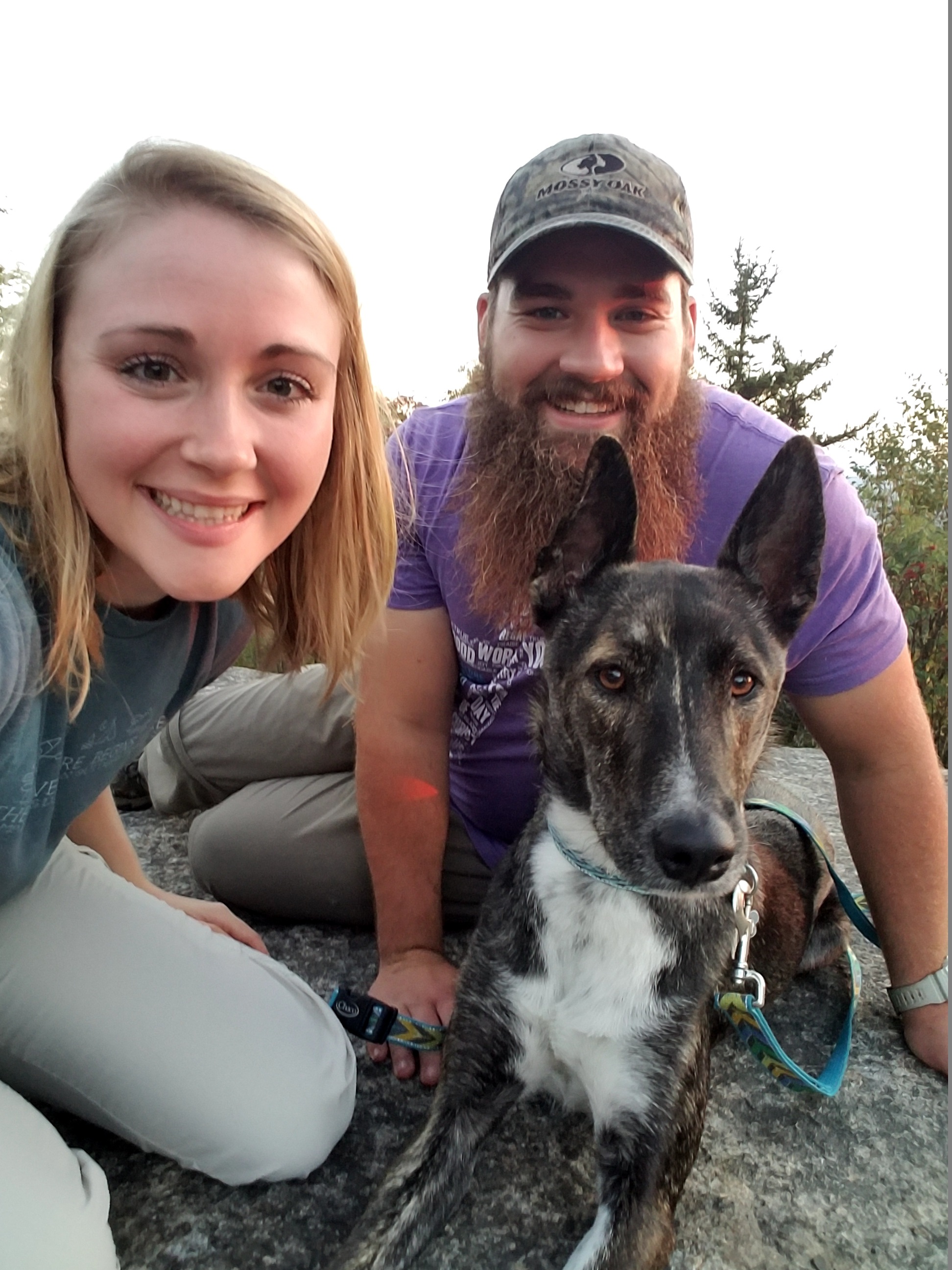
Nette Miller is completing her field work in occupational therapy in Houston, TX. She graduates in December 2018 and plans to pursue a career in inpatient pediatrics and neonatal therapy. In her free time, Nette enjoys rehabilitating wildlife and spending time outdoors with her husband, Kyle. The family is now enjoying indoor plumbing.