AOTA member spotlight: Kelly Sajdak, OTD, MSOLA, OTR/L
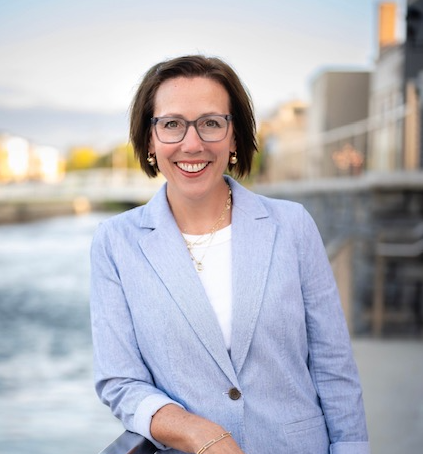
Kelly Sajdak, OTD, MSOLA, OTR/L is the Outcome Achievement and Quality Manager at Advocate Health. She spoke to Jamar Haggans, MS, OTR/L, CPHQ, Director of Quality at AOTA, about her current position and how she became interested in quality.
Jamar Haggans: How did you become interested in healthcare quality?
Kelly Sajdak: My interest in quality started early in my career as an occupational therapy (OT) practitioner. I was curious about the impact of the care I provided – knowing how much of a difference I was really making. That led me to think about ways to measure my own performance and effectiveness in meeting patient needs.
As I moved into leadership roles, my focus expanded beyond individual client-level evaluation to programmatic evaluation. For example, if we implemented a new program or modality, I wanted to measure its impact on client outcomes and experience.
Over time, this curiosity turned into a passion. I wanted a clear understanding of how we were impacting clients’ lives across all healthcare disciplines. A major turning point was when CMS introduced value-based purchasing models. That really connected everything—patient outcomes, interdisciplinary collaboration, and continuous improvement. To me, that’s exciting: understanding what works and making changes to provide the best care possible.
Jamar Haggans: What is your role in quality now?
Kelly Sajdak: I currently serve as the Outcome Achievement and Quality Manager for Advocate Health. My role is to partner with clinicians and leaders to evaluate the quality of services provided. I primarily support home health and hospice teams, but I also work with inpatient and outpatient rehab, inpatient rehab facilities, sleep services, home medical equipment and our Advanced Care at Home programs.
My work focuses on ensuring accurate measurement and influencing improvements. Ultimately, it’s about partnering with operational leaders and clinicians to exceed clinical outcomes and ensure patients have the best human experience possible. At the end of the day, the patient is what matters most.
Jamar Haggans: Your role spans multiple disciplines. How have you prepared to engage effectively across these areas?
Kelly Sajdak: Great question. My background as an occupational therapist has been a huge asset. I also have a degree in organizational leadership and administration, but I always lead with my OT background because I’m proud of it – and it surprises people sometimes.
OT skills prepare us well for these conversations. I apply the OT framework daily, just in a different way. Instead of working directly with clients, my “clients” are the leaders I partner with. I help them develop workflows, implement programs, and overcome barriers to improve quality and patient experience.
This is a unique application of OT skills – performance coaching, leadership development, and organizational change. Our profession equips us to think holistically, problem-solve, and promote success. Confidence is key: OT practitioners belong in these rooms and have the qualifications to influence quality and outcomes.
Networking and openness are also critical. Every discipline brings unique strengths and being curious and collaborative helps build trust and drive success.
Jamar Haggans: How can OT practitioners incorporate quality principles into their practice?
Kelly Sajdak: First, understand the regulations and measures that are used in your practice. That knowledge allows you to adjust and improve care effectively. Regulations change frequently, so staying informed is essential.
I recommend being a member of AOTA and your state association, and staying connected to advocacy resources. Follow proposed legislation, implementation dates, and rule changes. Once you have clarity, step up and advocate – attend hearings, participate in OT Day at the Capitol, and engage in conversations if you can. Exposure can ignite your passion and help you make an impact.
Jamar Haggans: What advice do you have for OT practitioners interested in healthcare quality?
Kelly Sajdak: Start by building awareness of quality at both state and national levels. Then, find a mentor and ask questions. Most organizations have quality-focused teams, and people in those roles are usually eager to share knowledge.
Mentorship provides a supportive learning environment. There are also certifications and credentials focused on quality if you want to grow professionally. And don’t be afraid to be vocal – say you’re interested in quality. It is okay to pivot away from direct patient care and use your skills differently to impact outcomes. Be bold and fearless about exploring this evolving area of practice.
Jamar Haggans: Is there anything else you would like to add?
Kelly Sajdak: Yes—commit to being a lifelong member of AOTA and your state association. These organizations represent us nationally and locally, advocating for OT inclusion in outcomes, reimbursement, and policy. Our voice as an OT practitioner is critical, and we need to keep it strong.
We also need to promote awareness of our profession. It’s not about arrogance – it’s about ensuring people know the value we bring. If we stay silent, we miss opportunities to advocate and make an impact. Quality, patient experience, and outcomes are all connected, and OT plays a vital role in improving them.